A painted Indian city seen from a park in Bangalore: India Gate, the Qutub Minar, the Charminar, the Vidhana Soudha, the Gateway of India and Mumbai's railway terminus, beyond rain trees, an auto-rickshaw, a tea stall and marigolds.

Canopy Labs
of Bangalore

—BLR

AI that knows what to throw away

Canopy Labs is an applied research lab making taste measurable, so the models and agents that create produce work that feels right, not only work that is correct.

Read the manifesto

Generation is free now. Judgment is the scarce thing, and we are building it.

Generation is free now. Anyone can make a thousand images, a hundred ads, ten films before lunch.

So the scarce thing is no longer making. It’s knowing what to throw away.

The shift

AI has made it easy to generate anything.

The challenge is knowing what to make. And how to make it great.

One prompt and boom: a dashboard, a short story, a landing page, a game, a slide. Your timeline is full of it. And it all looks the same.

The generic, soulless sameness. That is slop.

The problem

Models are brilliant statistical machines. Which is exactly why they’re average.

01 / Pretraining

Likelihood ≠ quality.

Next-token prediction learns a probability-weighted blend of everything. For 2+2 the average is optimal. For design, the average is mediocre, and distinctive work is by definition low-probability.

02 / Preference tuning

Aggregated preferences erase the tails.

Reward models average annotators of different tastes and learn what nobody dislikes, not what anyone loves. RLHF-tuned models produce measurably less diverse outputs than their base models.

03 / Rewards

No verifier, no flywheel.

Math and code got good on verifiable rewards. There is no function that returns 1 for good design and 0 for bad. So subjective domains never got to ride that flywheel.

Fig. 1Greatness lives in the tails
THE AVERAGE · WHERE MODELS LAND GREAT GREAT TASTE PUSHES OUTPUT TOWARD THE INTENTIONAL, IMPROBABLE ENDS
Conceptual, not to scale. The training objective pulls toward the centre of the distribution. Creativity, that feeling of something “hitting different”, comes from doing improbable things.

Kirk et al. (2024); Padmakumar & He (2024): RLHF reduces output diversity against base models. Read the research note

What we believe

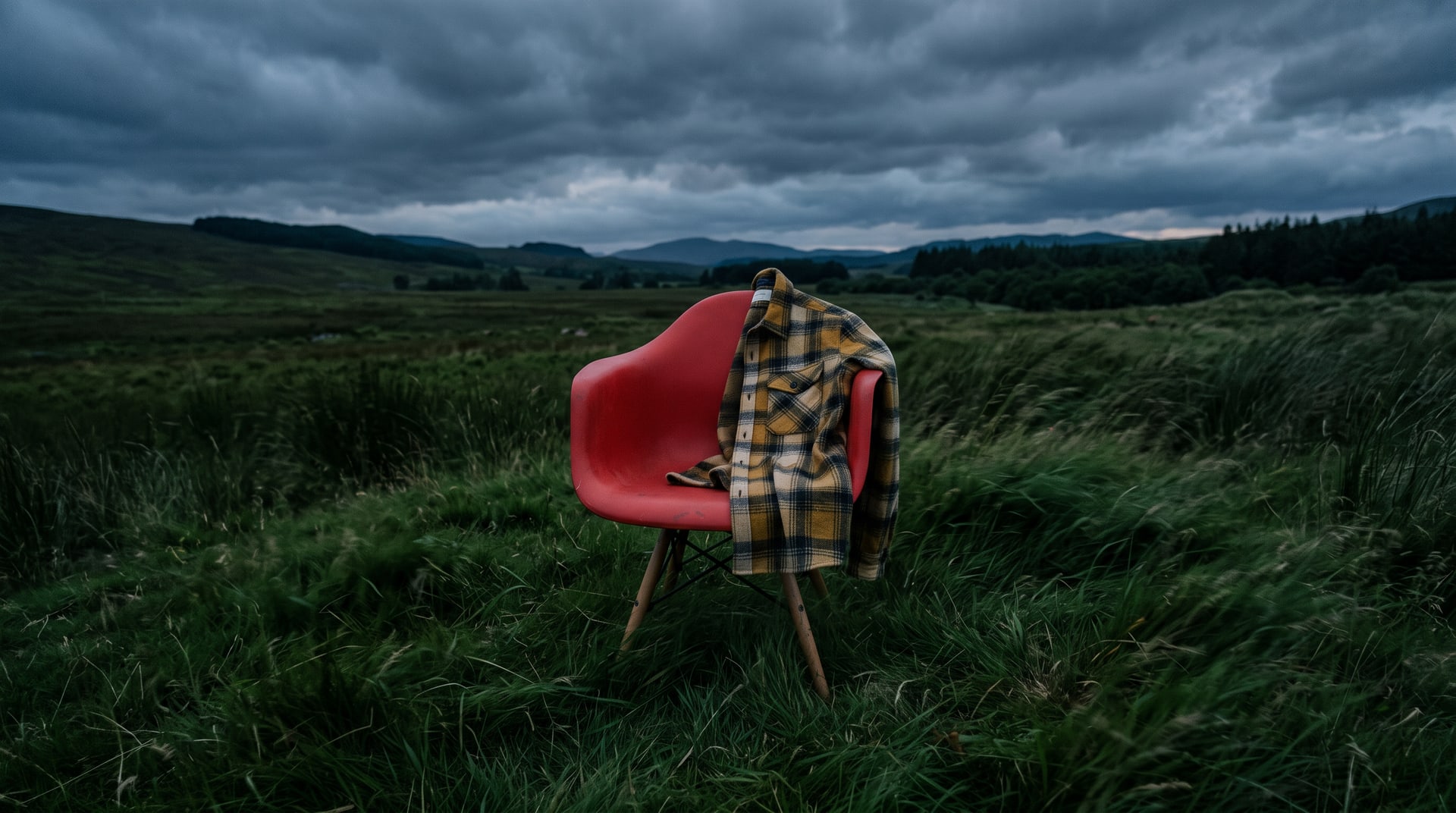
Taste is local.

Good in Mumbai isn’t good in New York. Good for one brand is wrong for another. There is no single good, only good for this: this brief, this brand, this audience, this moment.

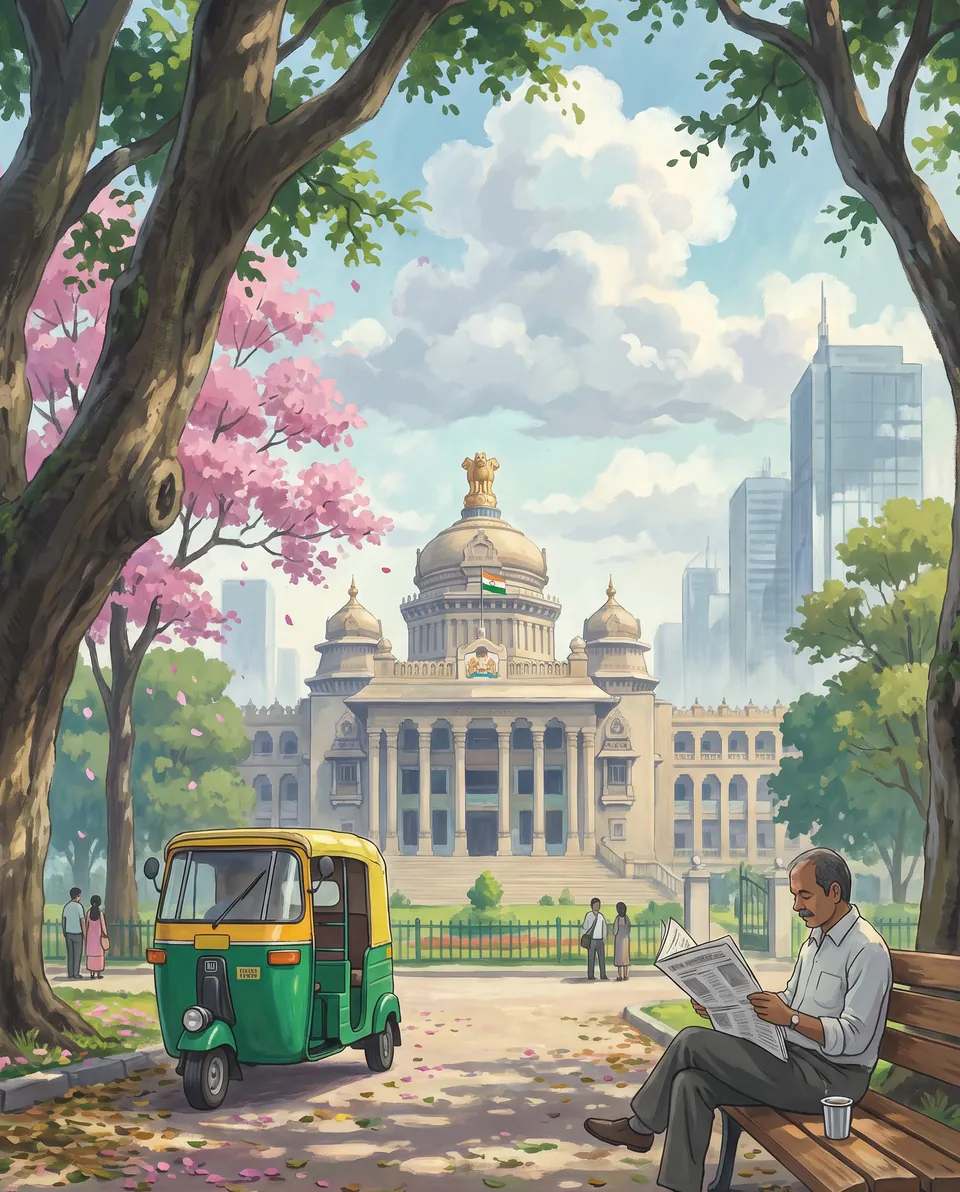
The Vidhana Soudha seen through rain trees in Cubbon Park, with an auto-rickshaw and a man reading on a bench.
BengaluruRain trees, filter coffee and quiet confidence.
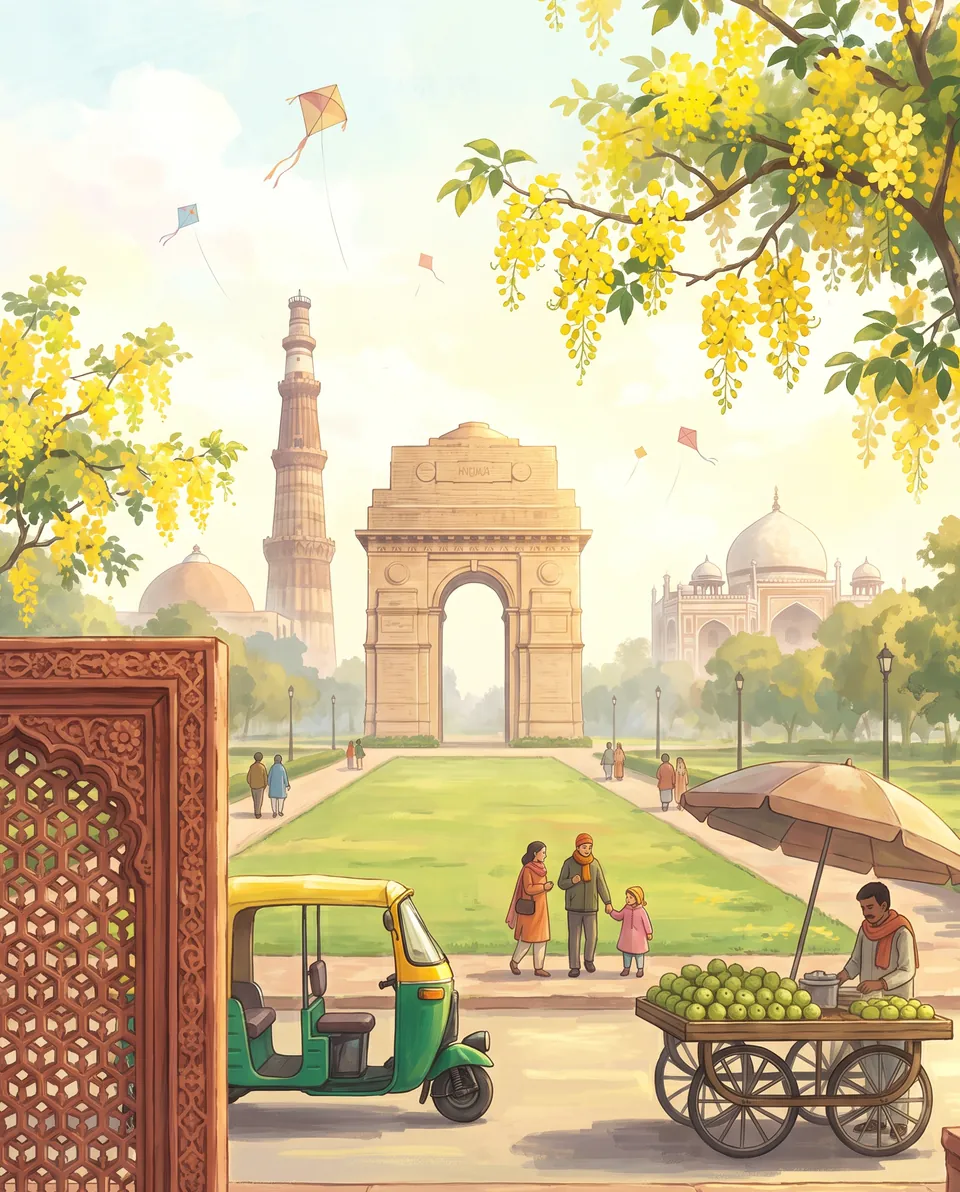
India Gate at the end of a lawn under yellow amaltas blossom, with kites and the Qutub Minar beyond.
DelhiSandstone, amaltas and a sense of ceremony.
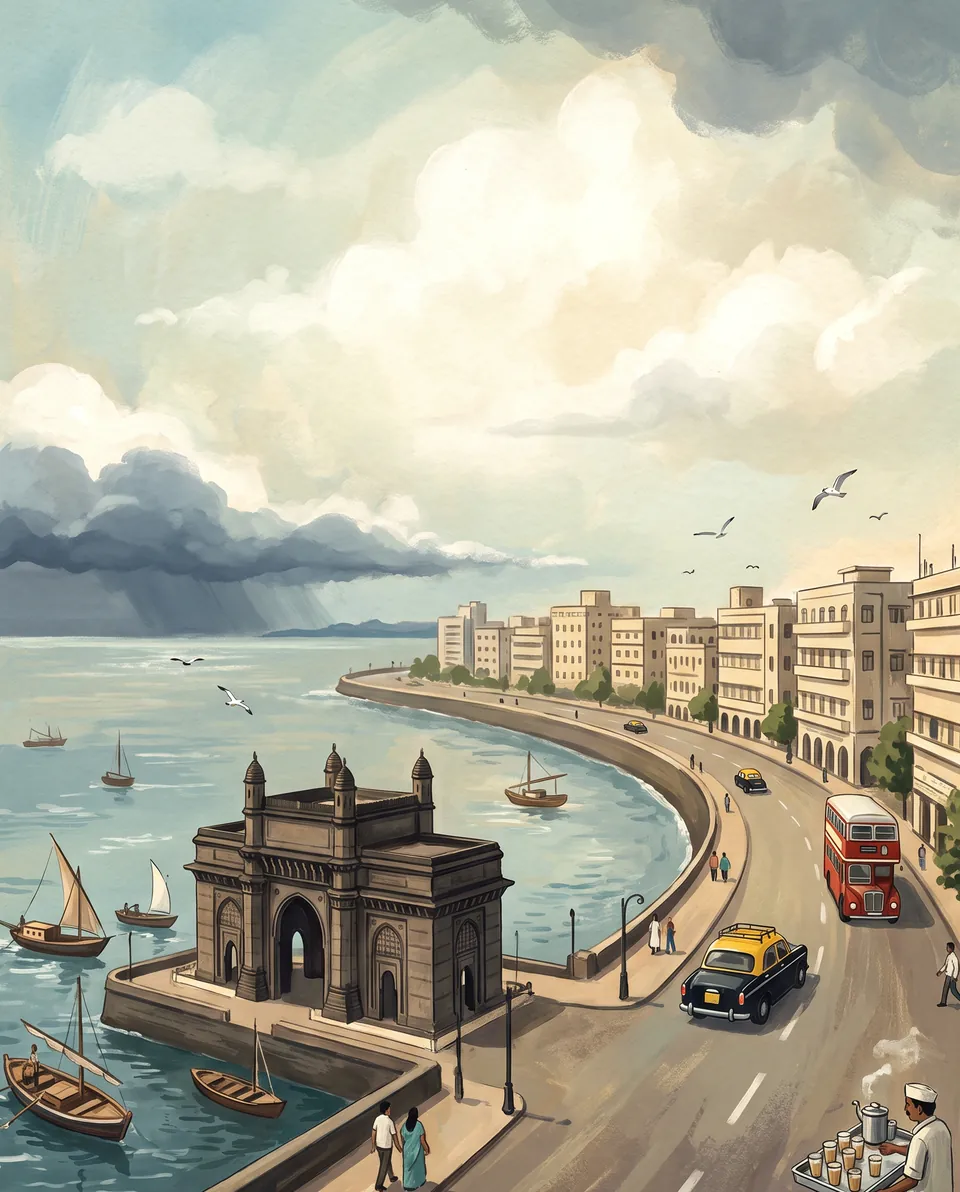
The Gateway of India on the water, with Marine Drive, a taxi and monsoon cloud beyond.
MumbaiSea air, Art Deco and never enough time.
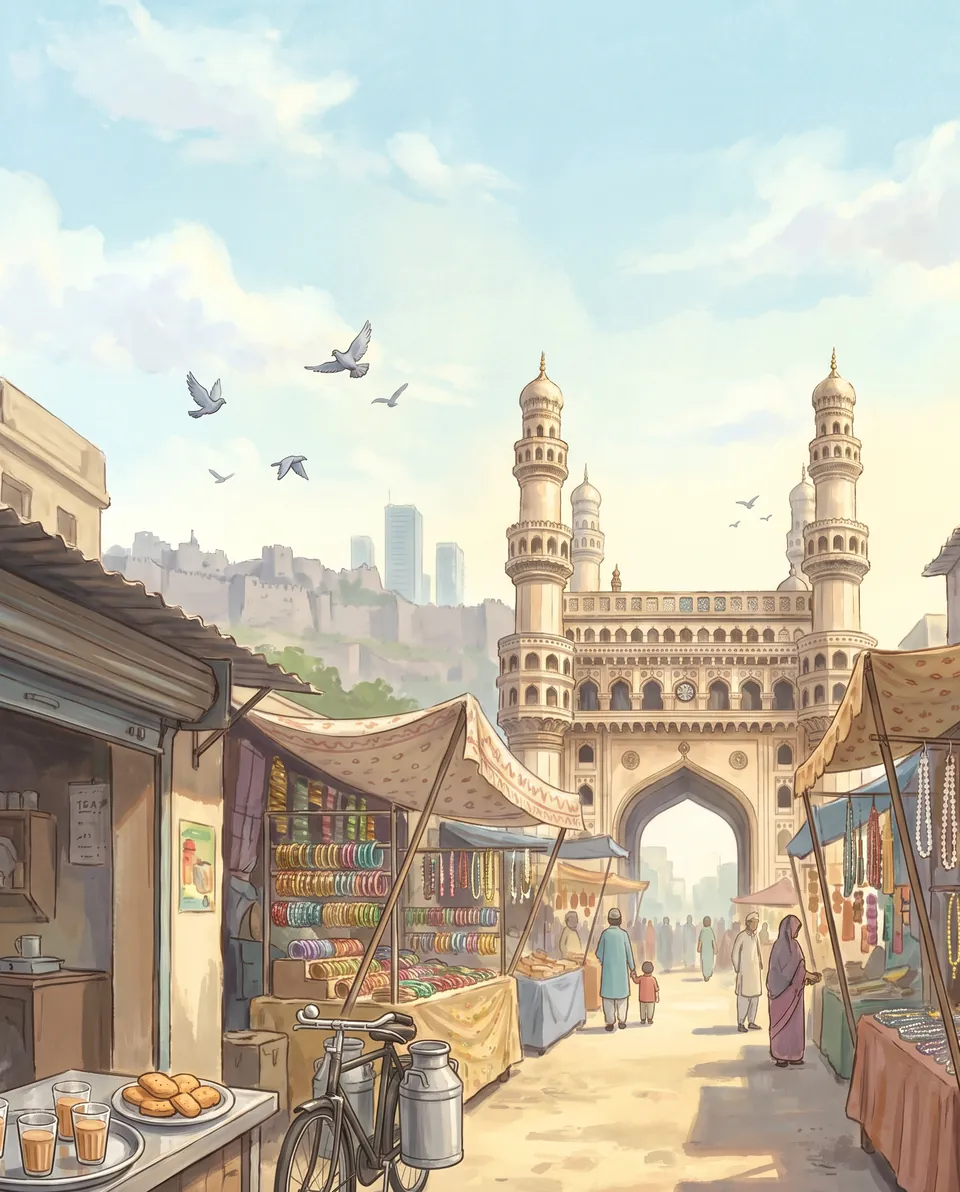
The Charminar above a bazaar of bangle and pearl stalls, with Irani chai in the foreground.
HyderabadPearls, bazaars and patience.

A model trained on the average of everywhere is from nowhere.

Our insight

Taste is a skill. It’s pattern recognition.

Taste is the bar of quality in the absence of correctness

01

Exposure

Seeing many things.

02

Observation

Noticing patterns.

03

Point of view

Deciding what you like.

04

Down-selection

Deciding what you don’t.

If it’s pattern recognition, it can be decomposed. If it can be decomposed, it can be measured. If it can be measured, it can be improved.

Down-selection

Taste is the no.

Every great creative director, editor and art director is defined less by what they make than by what they reject. Three directions killed, one approved, with a reason. That reason is the most valuable thing in creative work, and today it disappears the moment the file is saved. We’re here to keep it.

Expert judgment · the record~$5
›brief “launch page · filter-coffee brand”
✕A · hierarchy collapses
✕B · generic, no point of view
✕C · motion fights density
✓D · chosen, would ship
+rubric scores, revisions, context, provenance
Crowd preference · ~$0.50
{ "winner": "D" }
no criteria · no reasoning

Models learn from the vote. Quality lives in the reasons.

What we build

Judgment across the stack

Raise the floor and the ceiling, at training and at inference.

WeightsModel and agent labs

Judgment for training models

For labs giving their models taste, vision and design capability. We evaluate where a model breaks, then craft the exact data shape, quantity and distribution to fix it.

Preference dataReasoning dataRubricsRL environmentsEvals
Talk to us about a program
InferenceAgents and apps

Judgment for agents and apps

Infrastructure for app-layer companies, coding agents and creative tools: context, evaluation and verification, so they output better, more beautiful, more personal and on-brand work.

Brand APIOnline judgesMCPCreativity API · next
See the OnBrand API

How it works

Turning judgment into signal

We turn something like design into the shape of a problem like code: measurable, decomposable, visualisable. Every judgment routes to the cheapest signal that can carry it.

  • Text critiques linked to the exact code component
  • Individual preference vectors preserved, not averaged into consensus
  • Quality over quantity in every dataset

Every T3 judgment becomes tomorrow’s T2 model.

T1

Verifiable checks

Programmatic, deterministic. Cheap at scale.

alignment · contrast
layout · hierarchy

↓ what code can’t judge

T2

Reference rewards & learned models

Trained on tastemaker data. Judges against a reference.

typography · style
brand adherence

↓ what models can’t judge yet

T3

Human tastemaker judges

The tails: where experts genuinely disagree.

originality · resonance
fit for intent

The network

Crowd leverage, not crowd size.

100+

Tastemakers in the network: designers, art directors, copywriters

Vetted tastemakers nominate others. Trust propagates through socially validated judgment. They design, grade AI outputs and review each other’s work. Small groups of expert judges, made dramatically more efficient by our tooling.

Fig. 2Trust spreads through nomination
SEED TASTEMAKER
The best tastemakers don’t join a labelling vendor. They join a mission, and they bring the people they trust.

Live · used daily by agencies

One canvas. One brand brain.

Two agents that do the work. Every pick, reject and reason teaches a brand brain that stays the brand’s.

canopy · one runtime, two agents
# Roots — inside the canvas
> "3 Diwali ad cuts, on-brand, 9:16"
roots.plan   → brain.recall · image.gen ×3 · video.gen
‖ assist     → approve spend?  ✓

# brain.recall → living brand memory (excerpt)
{
  "brand":   "your-brand",
  "voice":   "warm, regional, never salesy",
  "palette": [ "#1b1b1b", "#f2c14e", "#fff8ec" ],
  "never":   [ "stock smiles", "purple gradients" ],
  "last_reject": "too glossy, not us"
}

# Soil — on the timeline
soil.trim(clip_2, "00:03.2")
soil.caption(lang: "hi-IN") · soil.export("9:16")

Illustrative flow. Assist mode approves before spend.

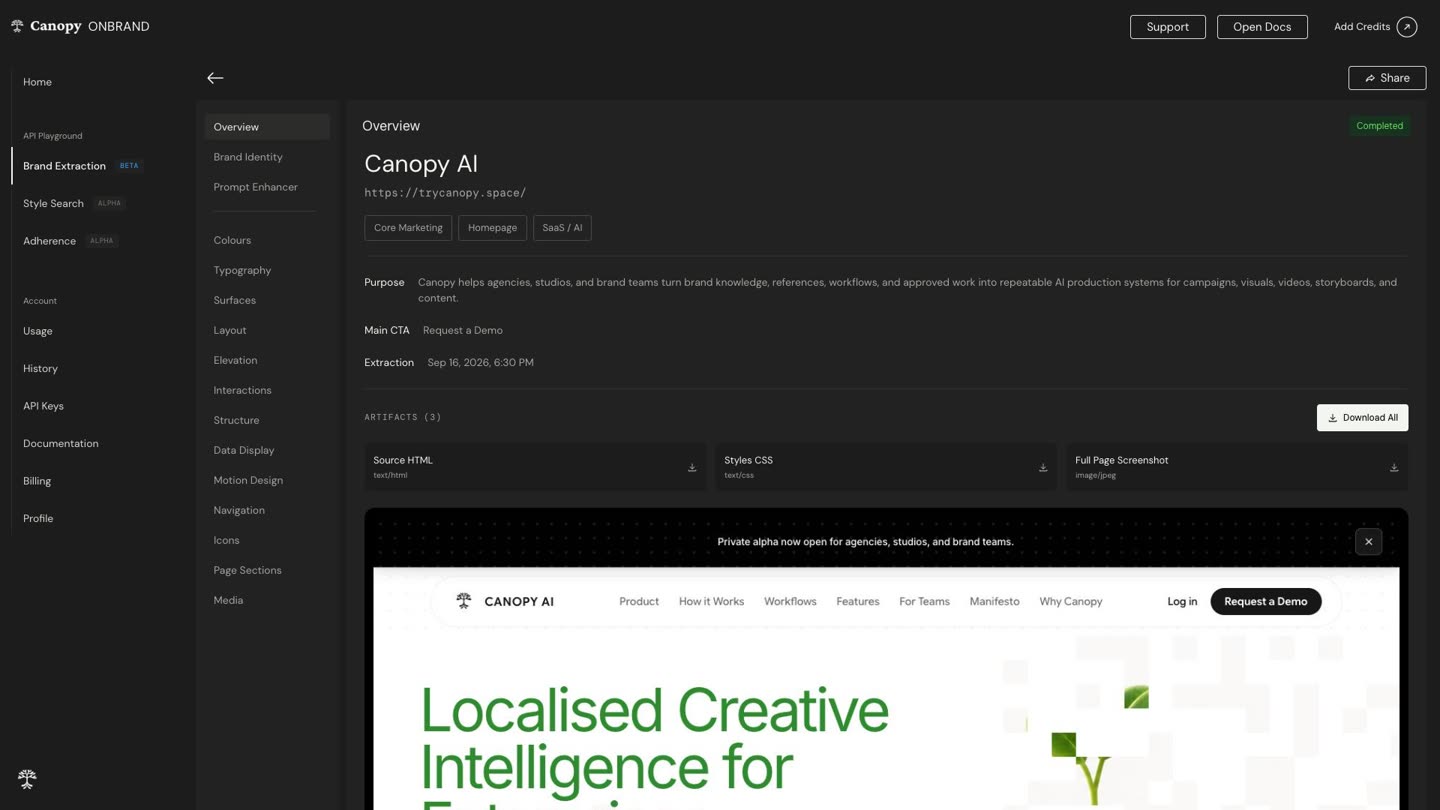
Make your agents
be on brand

OnBrand can help your agent with things like brand extraction

Explore the OnBrand API

So far

Seven months in.

20+

Design pilots

6

Products live, in beta or alpha

5

People. Capital-efficient by design

March 2026FoundedBangalore
Aug 2026Out of stealth
Sep 15, 2026Creative Canvasvia MCP, platform and API
NextBrand APIgeneral availability

Team

Bring your judgment.

A small team of researchers, makers and engineers, working in person in Bangalore. We’ve spent our careers studying how people choose, and we know the people whose choices are right.

5people Bangalorein person Fellowshipprogramme

AI is the defining technology of our lifetime. Let’s give it taste.